Our Programs
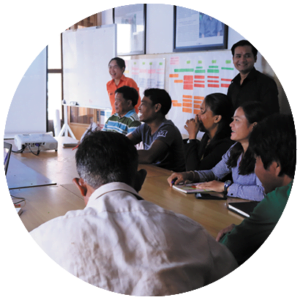
Organizational and Sustainable Development Program
Organizational Development Project is one of our program to build capacity of CIPL and its staff. We also build ourselves on good… read more
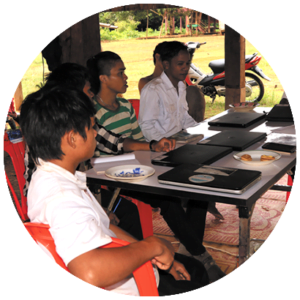
Community Media Program
Community Media Program is one of our program to build capacity of CIPL and its staff. We also build ourselves on good… read more

Community Development Program
This program aims to strengthen community solidarity, we believe that if community people have strong solidarity they will get success… read more
Our History

In 2009-2010 research was commissioned to understand the information and media needs of Cambodia’s indigenous peoples. Consultations were held in seven of the fifteen provinces in Cambodia where indigenous people live. The report was finalized in 2012 and contained a recom-mendation that indigenous peoples needed their own indigenous media support organization. Conserve Indigenous Peoples Languages Organization (CIPL) was, therefore, developed and registered with Ministry of Interior on 11th Oct 2016 (registration number 6672 pro.kor). CIPL has a role in strengthening indigenous voice on issues affecting them and to help them raise that voice up to the world through media channels.
In discussion with indigenous communities and Building Community Voices, work began in mid-2015 to phase out the activities of Building Community Voices, and transfer staff to a new independent indigenous-led NGO. The former indigenous staff of Building Community Voices has transferred to become staff of the new Conserve Indigenous Peoples Languages Organization (CIPL).
Letter from the Executive Director
As an indigenous person and the first Executive Director of the newly established organization, Conserve Indigenous Peoples Languages (CIPL), I am very proud to be able to support my indigenous brothers and sisters.
At international level there is a lot of discussion about the rights of indigenous peoples. At the local level there is not a lot known about what should happen for indigenous peoples. Too often, the rights of indigenous communities are not fully respected. In order to advocate for these rights to be respected, indigenous peoples need information about their rights, information associated with any infringements of rights, and information that supports them to effectively advocate for their rights and culture to be respected.

Our Update Activities
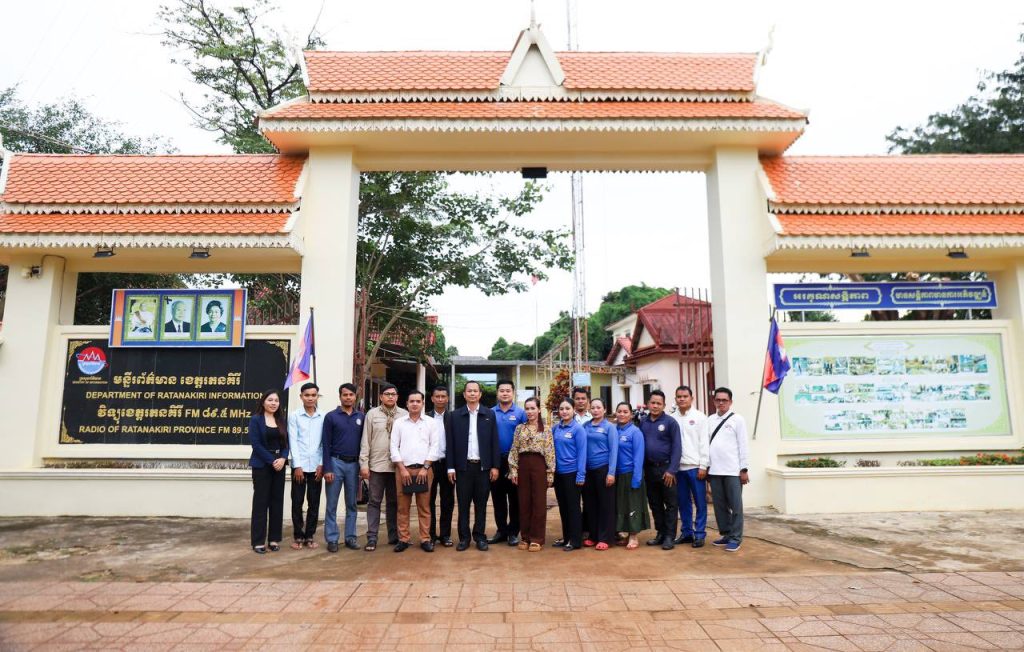
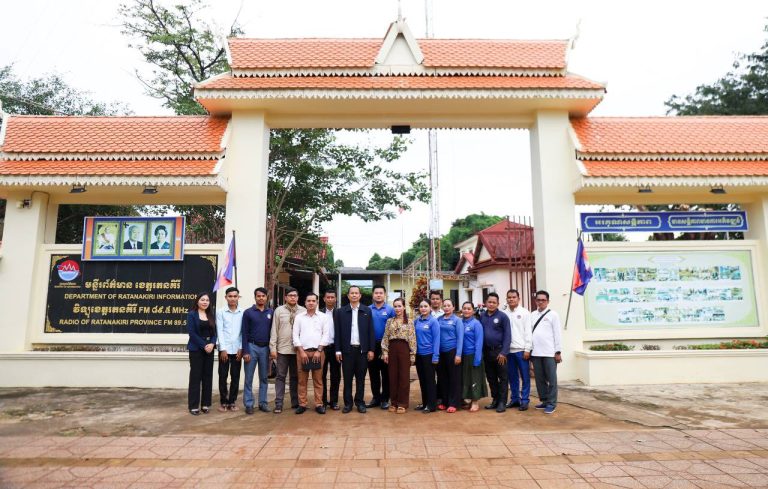
CIPL Meets Rattanakiri Information Department to Strengthen Indigenous Language
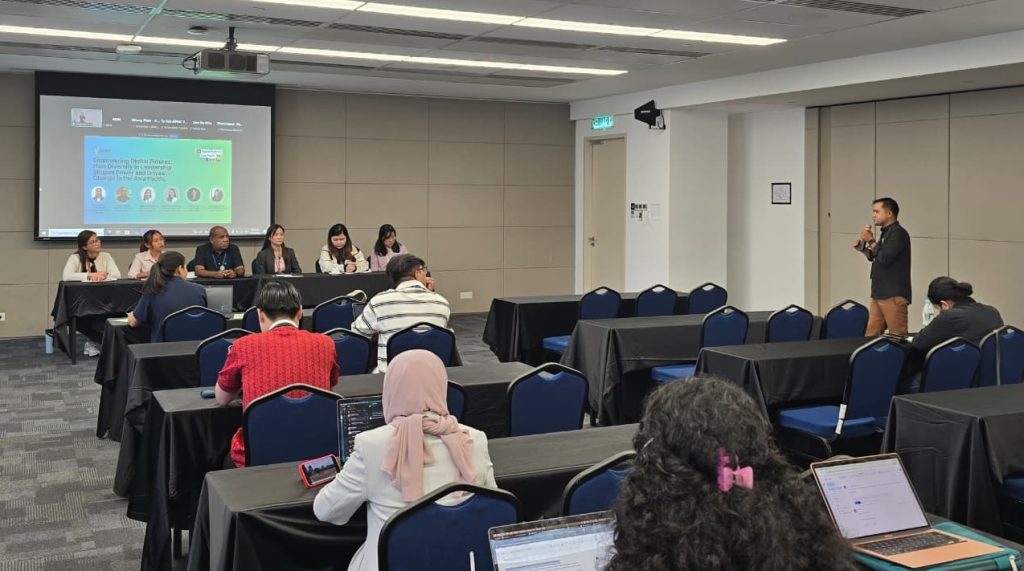
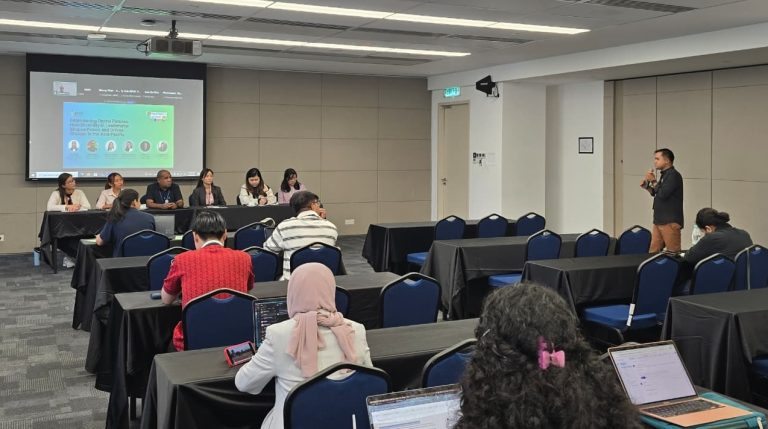
Joined the Digital Rights Asia – Pacific Assembly (DRAPAC) 2025
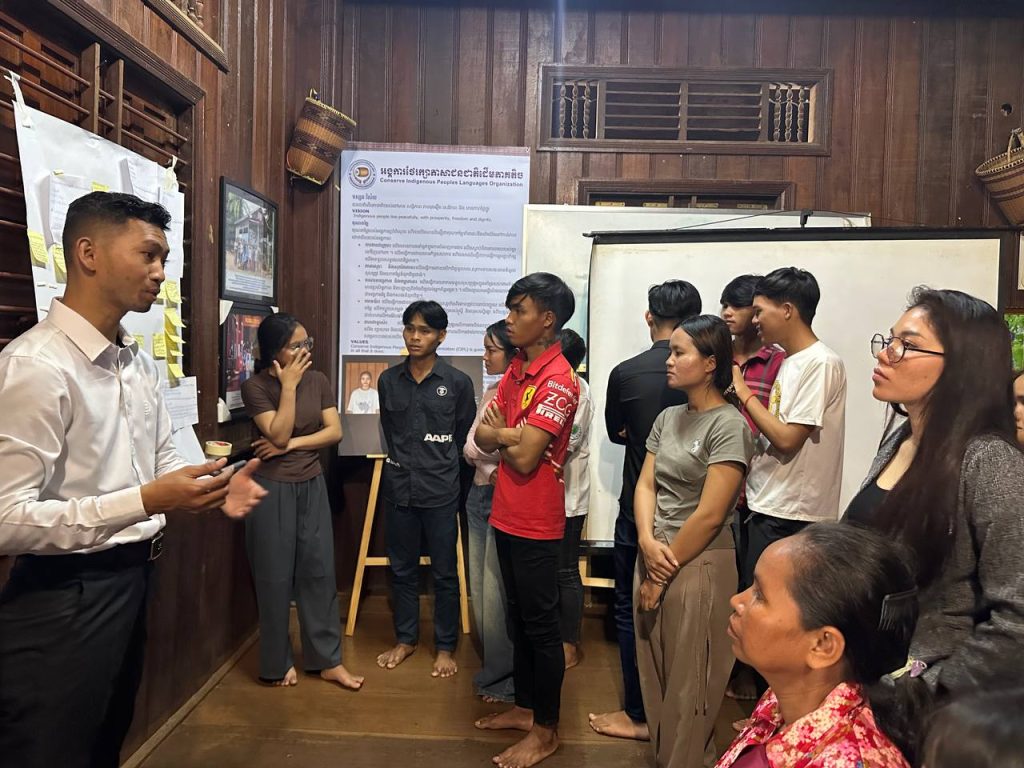
CIPL provide two-day training on climate change
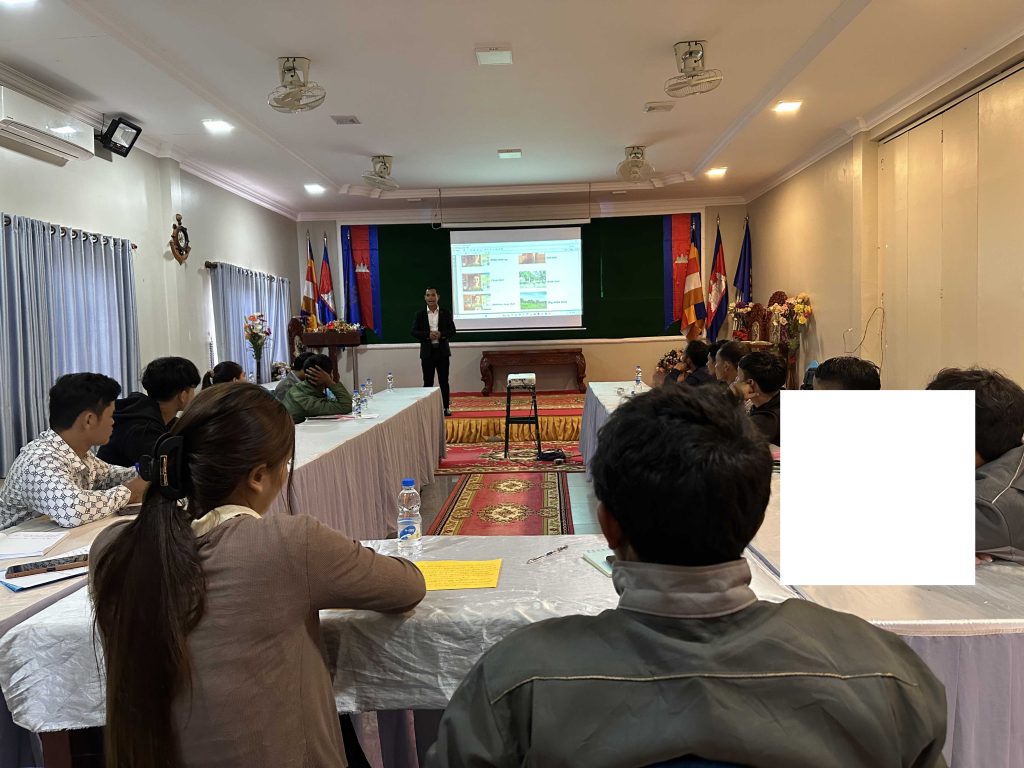
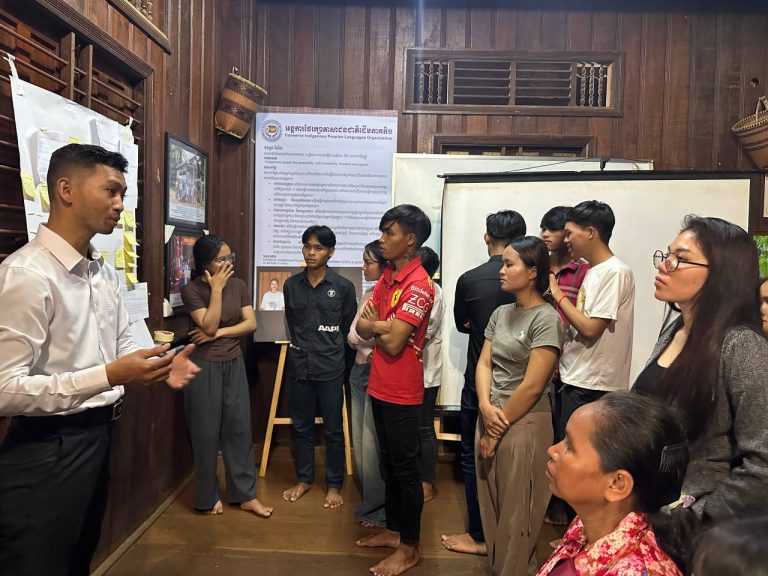
CIPL provided two trainings on digital media and information to Bunong Indigenous Youth at Mondikri province

CIPL conducted its annual reflection workshop

Promoting Indigenous Voice in the Media
Our Donors / Financial Support Sources